
5 Communication Mistakes Nurses Should Avoid When Talking to Patients

Effective communication is one of the most critical skills in nursing. The way nurses interact with patients can directly impact patient satisfaction, compliance with treatment plans, and overall healthcare outcomes. In fact, poor communication is a contributing factor in over 60% of all hospital adverse events in the USA. Furthermore, 80% of serious medical errors were the result of miscommunication between caregivers during patient handovers. With these statistics in mind, avoiding common communication mistakes is essential. Here are five key errors nurses should avoid when talking to patients.
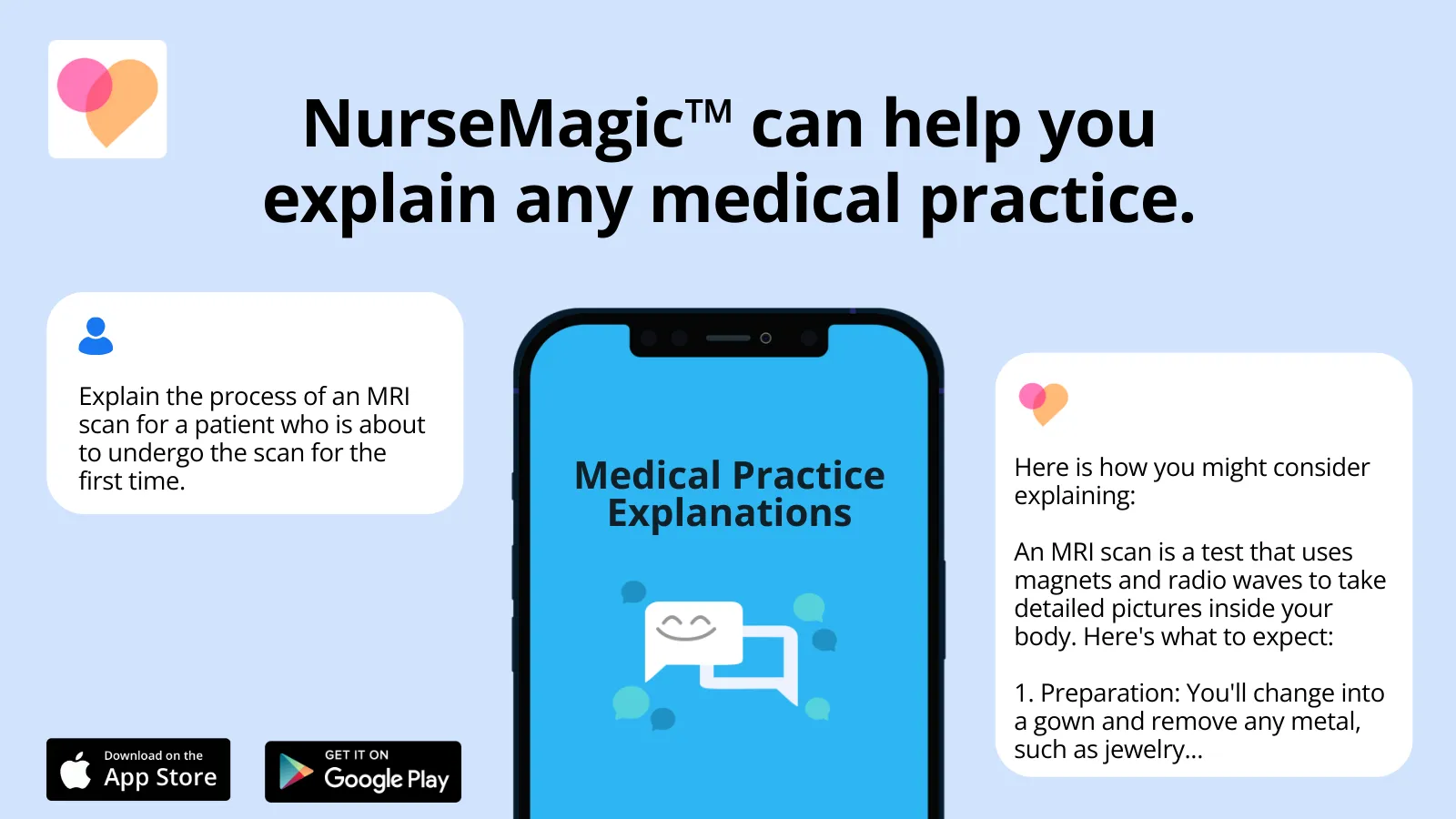
With NurseMagic®, you can easily explain medical procedures to patients and families in a way that’s clear and simple. Try it for free at: app.nursemagic.ai
5 Communication Mistakes Nurses Should Avoid When Talking to Patients
1. Using Medical Jargon
Medical terminology is second nature to nurses, but it can be overwhelming and confusing for patients. Using complex terms without proper explanation can lead to misunderstandings, increased anxiety, and even non-compliance with care instructions.
What to do instead:
- Use simple, layman-friendly language.
- If medical terms are necessary, explain them clearly.
- Encourage patients to ask questions to ensure understanding.
For example, instead of saying, "You have hypertensive crisis due to uncontrolled essential hypertension," say, "Your blood pressure is dangerously high because it hasn't been well managed."
2. Failing to Listen Actively
Communication is a two-way street. Some nurses may be so focused on giving instructions that they overlook patients’ concerns, fears, or questions. This can make patients feel unheard and reluctant to engage in their care.
What to do instead:
- Use active listening techniques, such as nodding, summarizing what the patient says, and making eye contact.
- Allow patients to finish speaking before responding.
- Ask open-ended questions like, "How do you feel about your treatment plan?" instead of "Do you have any questions?" which can shut down further discussion.
3. Displaying a Lack of Empathy
Patients are often distressed, and their experience is influenced by how they feel they are being treated. A nurse who appears rushed, indifferent, or dismissive can make a patient feel like just another number rather than someone with real concerns.
What to do instead:
- Acknowledge patient emotions and concerns with statements like, "I understand this must be difficult for you."
- Use reassuring body language, such as a warm tone and open posture.
- Take a moment to check in on a patient’s emotional well-being, even in a busy shift.
A small act of compassion can go a long way in building trust and improving the patient’s experience.
4. Providing Incomplete or Confusing Information
Patients rely on nurses for accurate and complete information about their condition, treatment, and next steps. Rushing through explanations or leaving out key details can lead to frustration, misinterpretation, or even serious health risks.
What to do instead:
- Give clear, step-by-step instructions, especially regarding medication, post-discharge care, and follow-up appointments.
- Confirm patient understanding by asking them to repeat key points back to you.
- Use visual aids or written instructions when necessary.
For instance, instead of just saying, "Take this medication twice a day," clarify by saying, "Take one tablet in the morning and one in the evening, with food, to reduce stomach upset."
5. Ignoring Nonverbal Cues
Communication isn't just about words—nonverbal signals like body language, facial expressions, and tone of voice also convey messages. A nurse who avoids eye contact, sighs impatiently, or crosses their arms may unintentionally signal frustration or disinterest, even if that’s not their intent.
What to do instead:
- Maintain open body language by facing the patient and keeping arms uncrossed.
- Watch for patient cues such as confusion, discomfort, or hesitation and address them proactively.
- Keep your tone of voice calm and friendly to reassure anxious patients.
Conclusion
Strong communication skills are fundamental to nursing practice, helping to build patient trust, prevent medical errors, and improve overall healthcare experiences. By avoiding these five communication mistakes—using medical jargon, failing to listen actively, lacking empathy, providing incomplete information, and ignoring nonverbal cues—nurses can foster better relationships with patients and enhance the quality of care they provide.