 NurseMagic
Best Practices for Charting and Documentation in Nursing

Accurate and thorough documentation is a cornerstone of effective nursing practice. Proper charting ensures high-quality patient care, protects nurses from legal risks, and enhances communication within healthcare teams. However, given the fast-paced nature of nursing, documentation can often feel like a time-consuming burden. Implementing best practices can help nurses streamline this process while maintaining accuracy and compliance.
Based on an analysis of more than 65,000 medical malpractice cases closed between 2014–2023, 20% of malpractice claims against nurses stem from documentation errors. Additionally, poor communication contributes to nearly 70% of sentinel events—serious patient safety incidents. These statistics highlight the importance of precise and comprehensive charting in nursing practice.
Best Practices for Charting and Documentation in Nursing
1. Follow the “Five C’s” of Nursing Documentation
To ensure documentation is accurate and legally sound, nurses should adhere to the “Five C’s”:
- Clear: Use precise language and avoid vague terms like “appears” or “seems.” Instead, describe observations objectively (e.g., “Patient reports 7/10 pain in the lower abdomen”).
- Concise: Stick to relevant details without unnecessary embellishments. This keeps records readable and easy to interpret.
- Complete: Ensure that all essential information is documented, including patient assessments, interventions, and responses to treatment.
- Consistent: Charting should be done at regular intervals and in accordance with facility protocols to prevent gaps in documentation.
- Correct: Errors should be corrected promptly following facility guidelines—never erased or altered in a way that obscures the original entry.
2. Chart in Real-Time Whenever Possible
Delaying documentation increases the risk of errors and omissions. Nurses often rely on memory when charting at the end of a shift, leading to inaccuracies. Whenever possible, document patient assessments, medication administration, and interventions in real-time. If immediate charting isn’t feasible, use brief notes to capture key details for later documentation.
3. Use Objective and Measurable Language
Subjective or opinion-based charting can lead to misinterpretations. Instead of writing, “Patient is feeling better,” document measurable details: “Patient states pain has decreased from 8/10 to 3/10 after receiving 1 mg morphine IV at 1400.” This approach ensures clarity and supports continuity of care.
4. Utilize Standardized Charting Methods
Different facilities use various documentation frameworks to ensure consistency. The most common include:
- SOAP (Subjective, Objective, Assessment, Plan) – Often used for progress notes and structured problem-solving.
- DAR (Data, Action, Response) – Focuses on patient response to interventions.
- PIE (Problem, Intervention, Evaluation) – Emphasizes problem-solving and care planning.
Familiarizing yourself with your facility’s preferred documentation format will help you maintain efficiency and accuracy.
5. Avoid Charting Subjective or Derogatory Statements
Legal and professional standards dictate that nurses must remain objective in their documentation. Avoid labeling patients as “difficult” or “noncompliant.” Instead, describe behavior factually: “Patient refused morning medication and stated, ‘I don’t want to take it because it makes me dizzy.’” This ensures clarity while avoiding biased language that could be used against you in legal proceedings.
6. Ensure Documentation is Legally Sound
As noted earlier, documentation errors are a common factor in malpractice claims. To protect yourself and your patients, follow these legal guidelines:
- Never chart something you didn’t do—falsifying records is a serious offense.
- Use only approved abbreviations and avoid ambiguous shorthand.
- If an error is made, follow correction protocols, such as striking through the error with a single line and adding your initials rather than using correction fluid.
- Always sign and date your entries to maintain accountability.
7. Leverage NurseMagic to Streamline Documentation
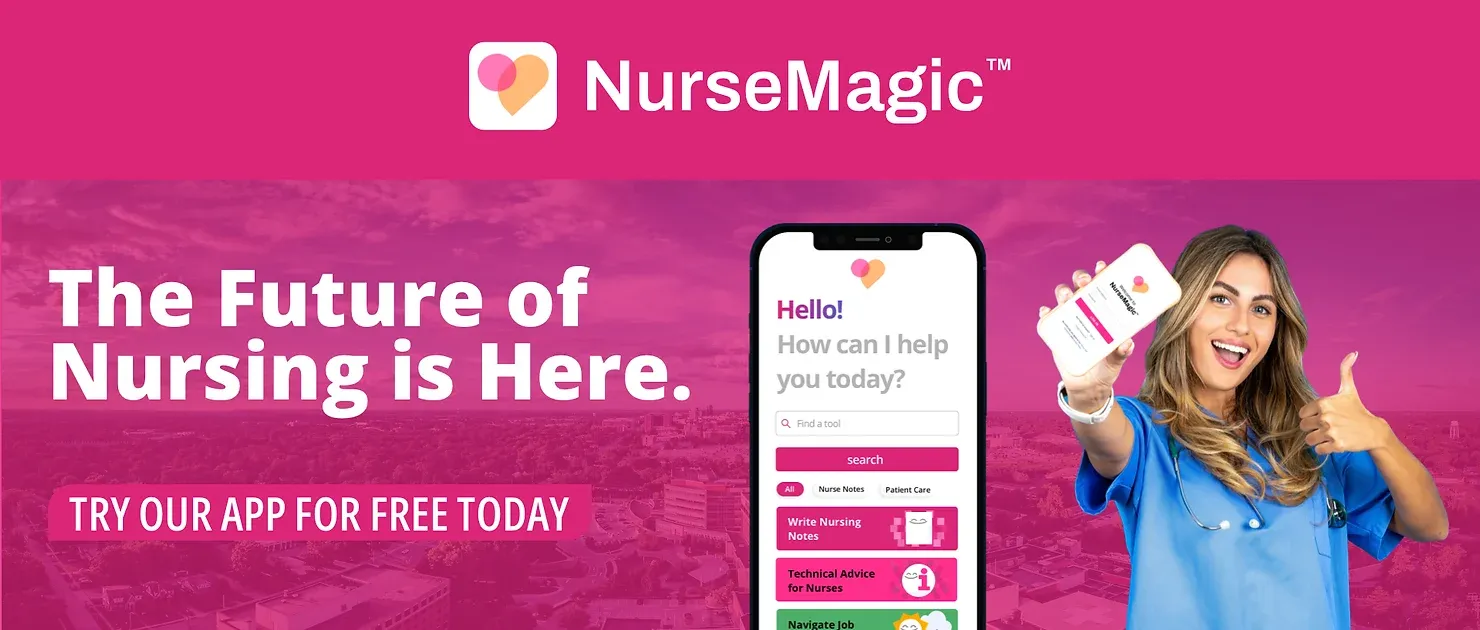
NurseMagic meets HIPAA requirements and improves charting by streamlining documentation with fast, accurate, and detailed clinical notes. Users can input patient scenarios using voice-to-text or typed queries, and the tool generates structured documentation in formats like SOAP, DAR, and ISBAR.
8. Maintain HIPAA Compliance
Patient confidentiality is a legal and ethical obligation. Nurses must ensure documentation follows HIPAA guidelines, which means:
- Never leave patient records open on unattended computers.
- Avoiding discussions about patient care in public or non-secure areas.
- Using secure login credentials for electronic charting.
9. Document Patient Education and Communication
Nurses frequently provide patient education on medications, treatments, and discharge instructions. It’s essential to document these interactions, including:
- What was taught (e.g., “Educated patient on proper insulin injection technique”).
- How the patient responded (e.g., “Patient demonstrated technique correctly and verbalized understanding”).
- Any printed materials or resources provided.
This ensures continuity of care and protects against claims of inadequate patient education.
10. Review and Double-Check Before Finalizing Entries
Before submitting documentation, take a moment to review your entries for clarity, completeness, and accuracy. Double-check dosages, times, and procedural details to prevent avoidable errors. A few extra minutes spent reviewing can prevent critical mistakes and improve patient outcomes.
Final Thoughts
Accurate documentation is a fundamental nursing responsibility that ensures patient safety, legal protection, and effective communication within healthcare teams. By implementing best practices—such as real-time charting, standardized documentation methods, and leveraging NurseMagic—nurses can enhance the quality and efficiency of their records.
Interested in Learning More? Check Out These Resources
- Nurse Charting 101: Your Guide to Patient Documentation
- Documentation for Nurses: Best Practices
- Do's and Don'ts of Documentation