 NurseMagic
How to Respond When a Patient Refuses Life-Saving Care

It’s one of the most difficult moments a nurse can face: a patient refuses a treatment that could save their life. As a nurse, your instinct is to protect, advocate, and intervene, but what happens when the person you care for says no?
This scenario brings ethical, emotional, and clinical complexities. Here’s how to navigate the moment with compassion and professionalism.
How to Respond When a Patient Refuses Life-Saving Care
1. Understand the Legal and Ethical Framework
First and foremost, it’s important to remember that patients have the right to refuse care—even life-saving care—as long as they are deemed competent to make that decision. The American Nurses Association (ANA) Code of Ethics reinforces the principle of autonomy, stating that nurses must “respect the inherent dignity, worth, and unique attributes of every person.”
These refusals are often based on fear, mistrust, cultural beliefs, or a desire to preserve quality of life over longevity. It’s not your role to override a patient’s decision, but to ensure it’s made with full understanding of the risks and outcomes.
2. Assess Capacity and Seek Clarification
Before accepting a patient’s refusal, confirm that they can decide. This involves evaluating:
- Their ability to understand the nature and consequences of the proposed treatment
- Their ability to reason about treatment choices
- Their ability to communicate a choice consistently
If you have concerns about the patient’s cognitive status or mental health, alert the provider team immediately. A psychiatric or neurocognitive evaluation may be warranted.
At the same time, ask open-ended questions to explore the reasoning behind their refusal. You might say:
- “Can you help me understand what’s making you uncomfortable about the treatment?”
- “What’s most important to you right now in your care?”
This not only shows respect but often uncovers modifiable concerns, such as misinformation, fear of side effects, or cultural misunderstandings.
3. Educate Without Pressure
While you can’t force a patient to say yes, you can ensure their “no” is informed.
A recent study revealed that 63% of patients preferred sharing decisions with their care team. Patients want clarity, not coercion.
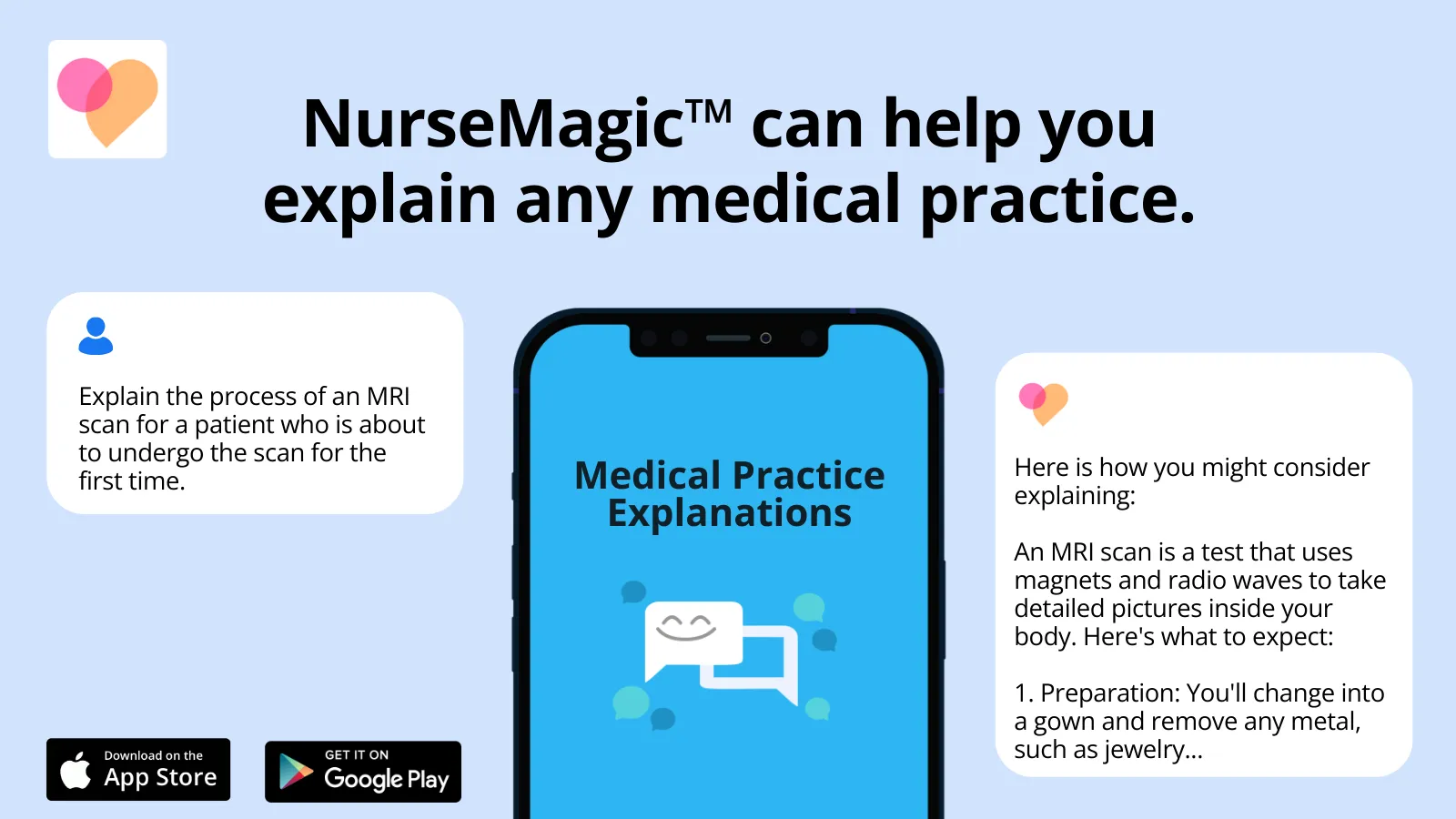
Break down medical terminology into simple language, use visuals or decision aids if available, and clearly explain the benefits and consequences of refusing care. If a patient’s loved ones are involved in decision-making, include them in the conversation (with the patient’s consent).
Remain calm and compassionate. Education should never feel like an argument.
4. Document the Refusal Thoroughly
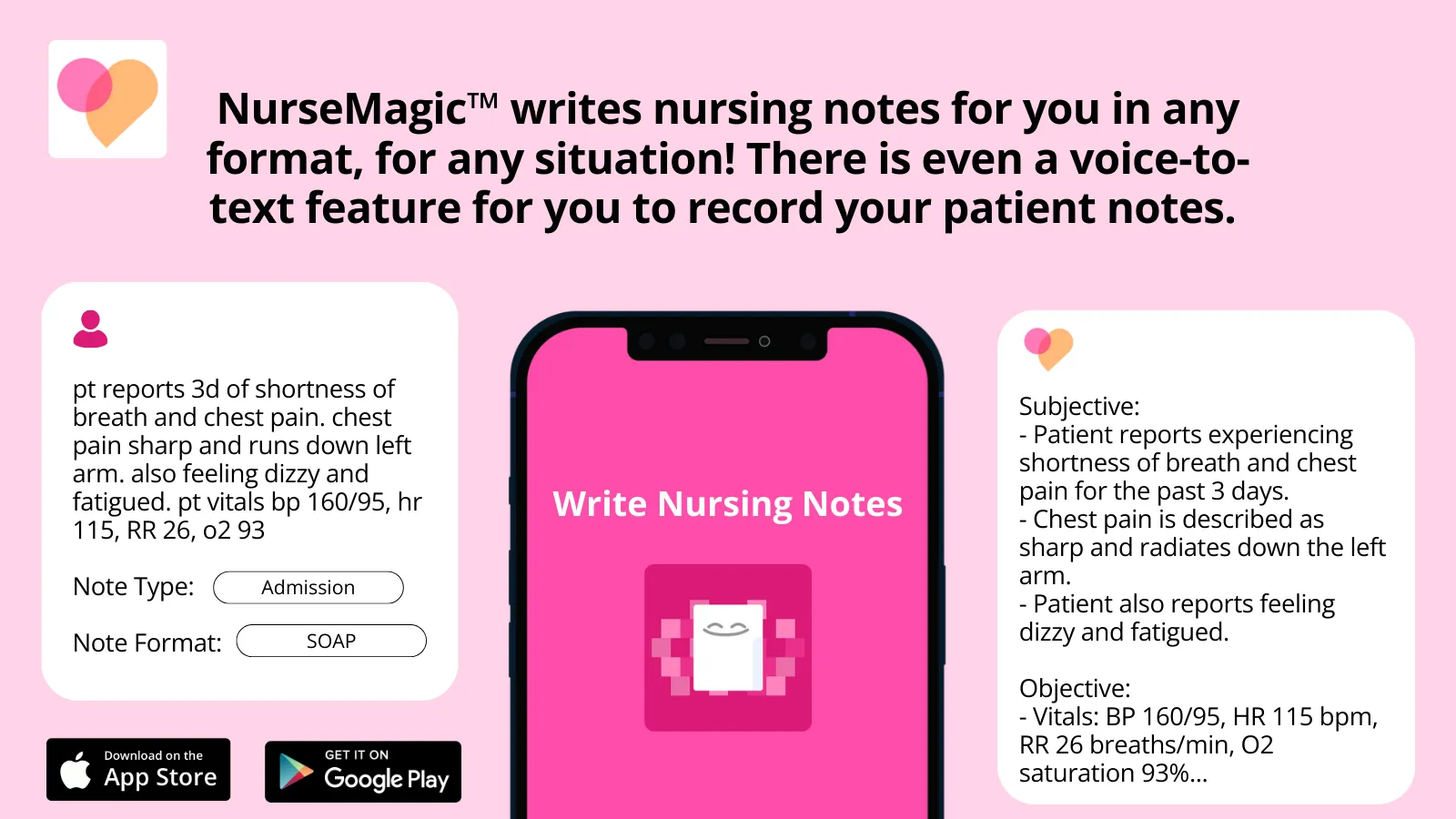
Documentation is critical. If a patient refuses a life-saving intervention, your notes should reflect:
- The treatment offered
- How the patient was informed about the risks of refusal
- The patient's stated reasons for refusal
- Their mental status and ability to make decisions
- Any witnesses present for the conversation
This protects the care team legally and ensures continuity of care if the patient changes their mind or is transferred to another provider.
5. Provide Supportive, Nonjudgmental Care
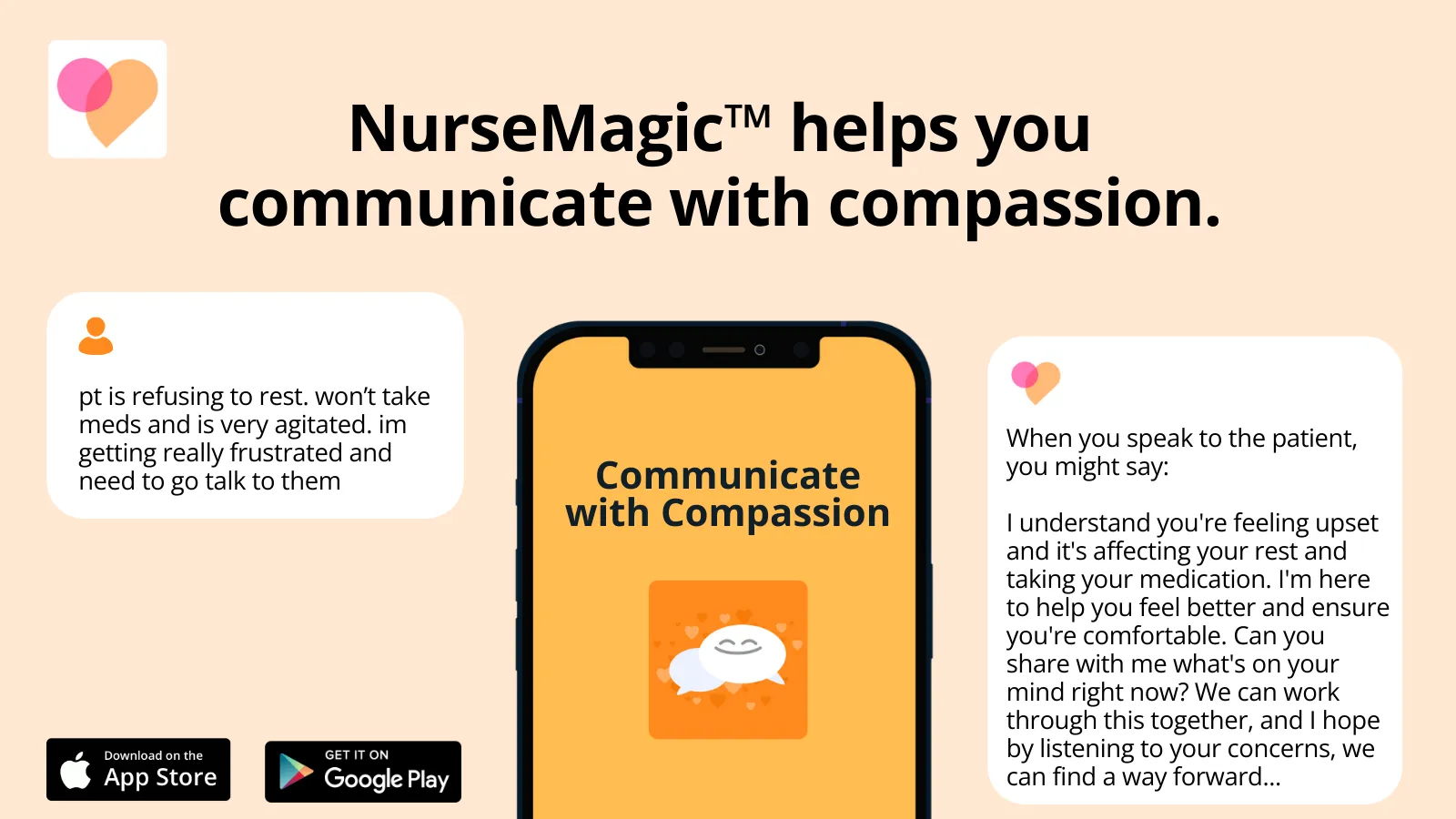
Even after refusing care, your patient still needs you. Continue to provide comfort, pain management, and emotional support. Validate their feelings. Maintain a therapeutic relationship built on trust, not judgment.
You may feel helpless, but your presence still makes a difference. You are bearing witness, honoring autonomy, and advocating for dignity.
If the decision is particularly distressing for you or your team, don’t hesitate to request a debrief or speak with a counselor. These moments weigh heavily, and it’s okay to acknowledge that.
Final Thoughts
As nurses, we are trained to save lives. But sometimes, the right thing to do is to honor a decision that goes against everything we’ve been taught.
When a patient refuses life-saving care, it isn’t a failure—it’s a crossroads that requires empathy, patience, and professionalism. Your role is not to change their mind but to ensure that their mind is fully informed, respected, and supported.
Interested in Learning More? Check Out These Resources
- What should you do when a patient refuses lifesaving treatment?
- Taking No for an Answer: Refusal of Life-Sustaining Treatment
- When Patients Refuse Treatment